On March 6, Shizenkan University hosted the 3rd “Medical Impact Night,” a networking and learning event designed for professionals involved in medical and nursing care management to discuss the future of healthcare.
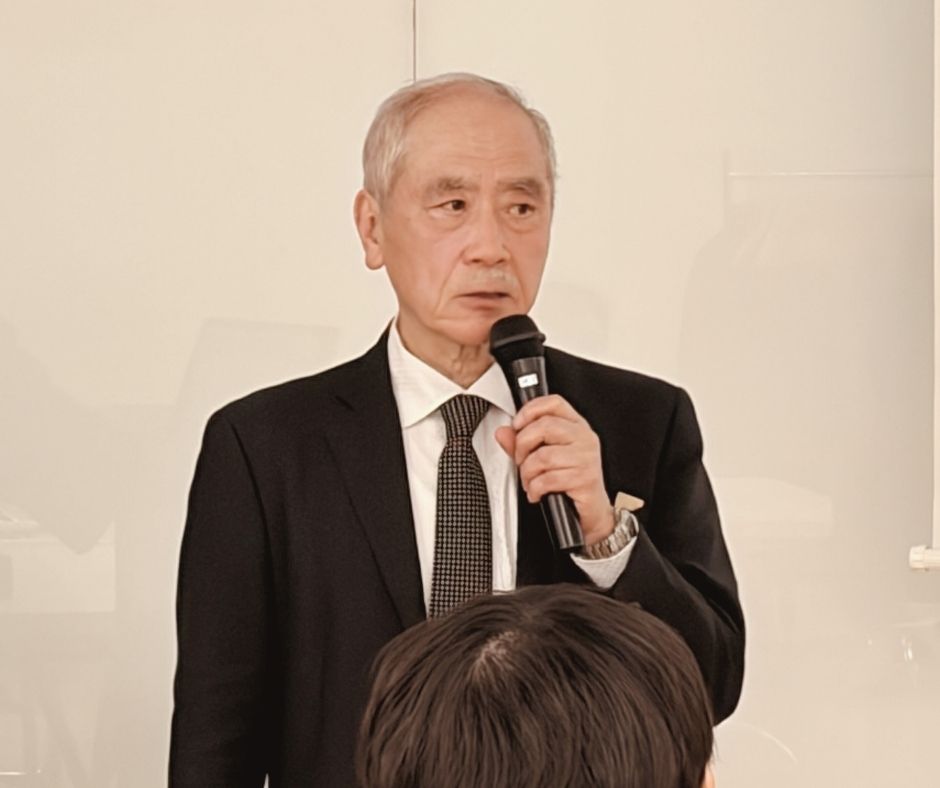
For this session, we welcomed Dr. Toru Honda, Director of the NGO SHARE (Citizens’ Association for Global Health) and the current director of the Iitate Clinic in Iitate Village, Fukushima Prefecture. Dr. Honda shared the trajectory of his half-century-long medical career and the core philosophy of Primary Health Care (PHC) that has driven his lifelong work.
■ The Origin: A Tragic Childhood Experience
Dr. Honda’s path to medicine began with a heartbreaking childhood experience. When he was five years old, he lost his younger brother to pneumonia, a complication of measles. At that time, Japan had not yet established a universal health insurance system, and access to medical care was severely limited. The thought that “she might have been saved if she had received appropriate medical care” became a powerful driving force for his commitment to healthcare that “leaves no one behind.”
■ Awakening to Primary Health Care (PHC) and Global Health
Dispatched to Tunisia as a member of the Japan Overseas Cooperation Volunteers, Dr. Honda witnessed harsh realities in a local pediatric ward. He realized the importance of not just waiting for patients in hospitals, but actively engaging with the community to promote disease prevention and hygiene education. Deeply resonating with the concept of Primary Health Care (PHC) advocated in the 1978 Alma-Ata Declaration, he trained in community medicine under Dr. Toshikazu Wakatsuki (Saku Central Hospital), a pioneer of rural medicine in Japan.
■ From San’ya to the World: Supporting the Vulnerable
Starting in the 1980s, Dr. Honda began providing free mobile clinics for day laborers and homeless individuals in the San’ya district of Tokyo. For decades, he has also been dedicated to medical assistance in developing countries suffering from conflict and poverty, including Palestine, Cambodia, and East Timor. Dr. Honda continues to tackle the challenges of Universal Health Coverage (UHC), striving to deliver healthcare to those who fall through the cracks of existing systems, such as refugees and the uninsured.
■ A New Challenge in Iitate Village, Fukushima
Following the Great East Japan Earthquake, Dr. Honda provided medical support in Minamisoma City, Fukushima. He currently supports community healthcare at a clinic in Iitate Village, where evacuation orders have been partially lifted. “Never abandon those in need right in front of you”—this conviction remains unwavering even after 50 years of clinical practice.
During the Q&A and networking session that followed, participants were deeply inspired by Dr. Honda’s passion, leading to lively and meaningful discussions. Shizenkan University will continue to provide opportunities to tackle social issues with next-generation leaders in healthcare through the Medical Impact Night.