Lead the Social Implementation of Circular Economy
Amid growing concerns about the sustainability of economy and society, the Circular Future Design Center is challenging itself to realize a circular economy that circulates resources and a circular society that supports such an economy through human connections.
In the 20th century, humanity achieved unprecedented economic development, but its driving force was a linear economic system of mass production, mass consumption, and mass disposal—making, using, and discarding. It is clear that such an economic system has caused climate change through GHG emissions and exceeded planetary boundaries. A circular economic system is an essential challenge for overcoming this issue and ensuring humanity’s sustainability. This requires various transformations and innovations, such as building mechanisms to achieve zero waste, fundamentally reviewing the design of products and services themselves, connecting production and recycling industries through digital and IT technologies to build new value chains, and changing the mindset of consumers accustomed to mass disposal. And these initiatives are not only a revolution in the economic system but also a transformation of people’s lives themselves, and a challenge to reconstruct the nature of communities and society.
Shizenkan’s Circular Future Design Center is a pathfinder in circular economy and circular society in Japan and Asia. Bringing together leading experts in this field, the Center develops and supports circular leaders who will realize new economic and social systems, while building and operating a collaborative platform that constructs cross-sector ecosystems spanning business, government, and civil society sectors, and supports circular innovation and its social implementation.
Organizing members
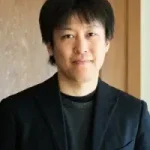
Director
Yu Kato,
Specially-appointed Associate Professor

Co-Director
Akira Sakano,
Specially-appointed Associate Professor

Chair of Advisory Board
Yumiko Noda,
Adjunct Professor
Circular Future Platform
A circular economy and society cannot be achieved by a single company, organization, or government alone. It requires collaboration across multiple companies and entire industries that share a vision, as well as cooperation among various sectors including business, government, and civil society. The Circular Platform, for which the Circular Future Design Center serves as the secretariat, is a cross-sector alliance for social implementation of a circular future. While several similar cross-sector platforms already exist in Japan, led by government or financial institutions, Shizenkan’s platform is fundamentally different in that it places the development of circular leaders who will drive the realization of a circular future across sectors at the core of its activities. The intention is for leader candidates participating from business, government, and civil society sectors to share a sense of mission, cultivate trust relationships that transcend the interests of their own sectors and organizations, and find companions for their challenges as they jointly envision the future through Shizenkan’s distinctive leader development programs.
Additionally, this platform is challenging the construction of circular cities in collaboration with mayors and government executives who champion this vision. Furthermore, by providing acceleration support for startups seeking to advance circular innovation by consortium members, we are promoting collaboration between established organizations and startups.
Circular Leader Programs
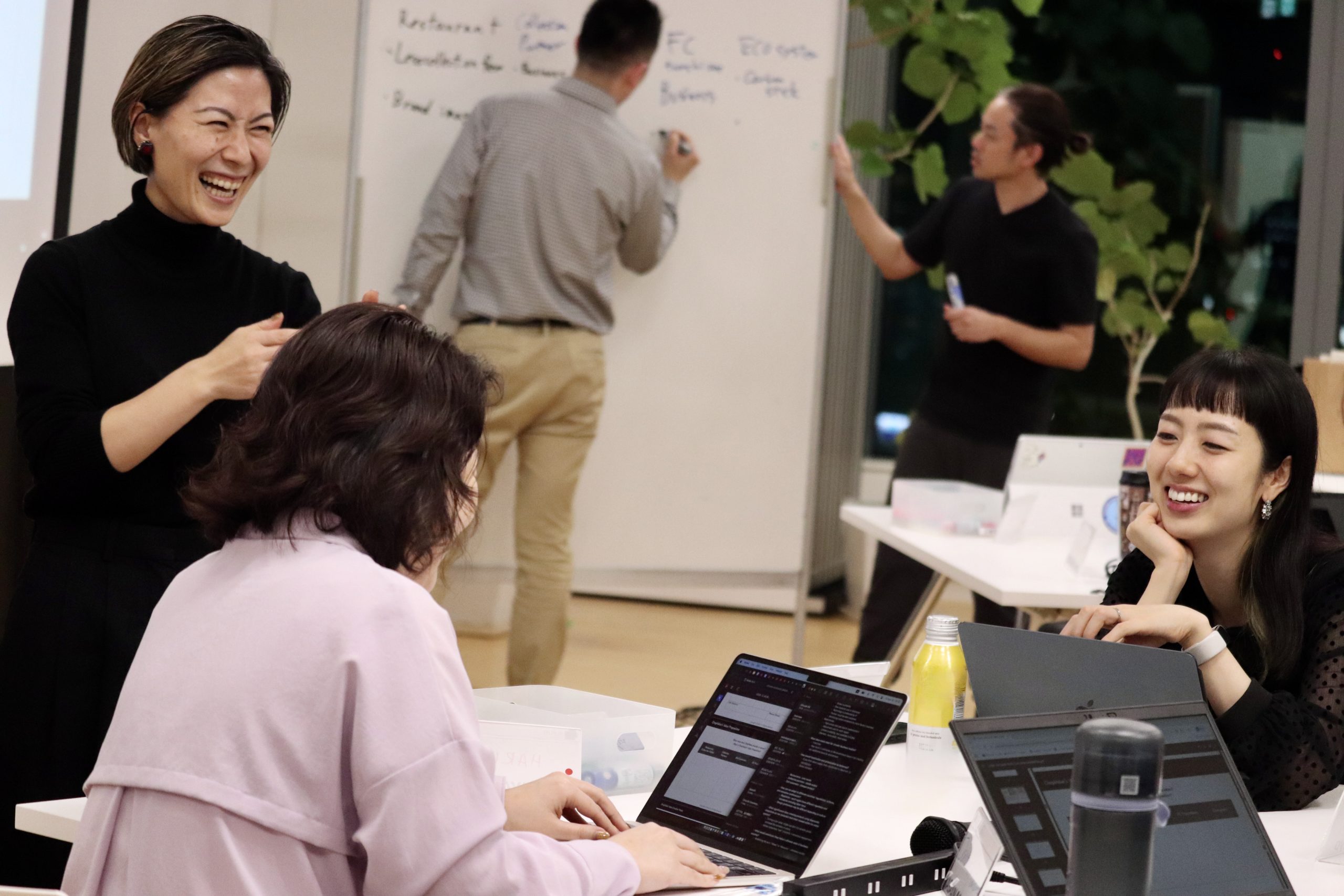
The Circular Leader Program, operated primarily by the Circular Future Design Center, is a practical leader development program where participants gather from companies, government, and civil society sectors across the country to develop action plans for realizing a circular future while collaborating with cross-sector colleagues, leveraging their own organizations. The program spans approximately four months and consists of several off-site intensive learning sessions and online sessions in between.
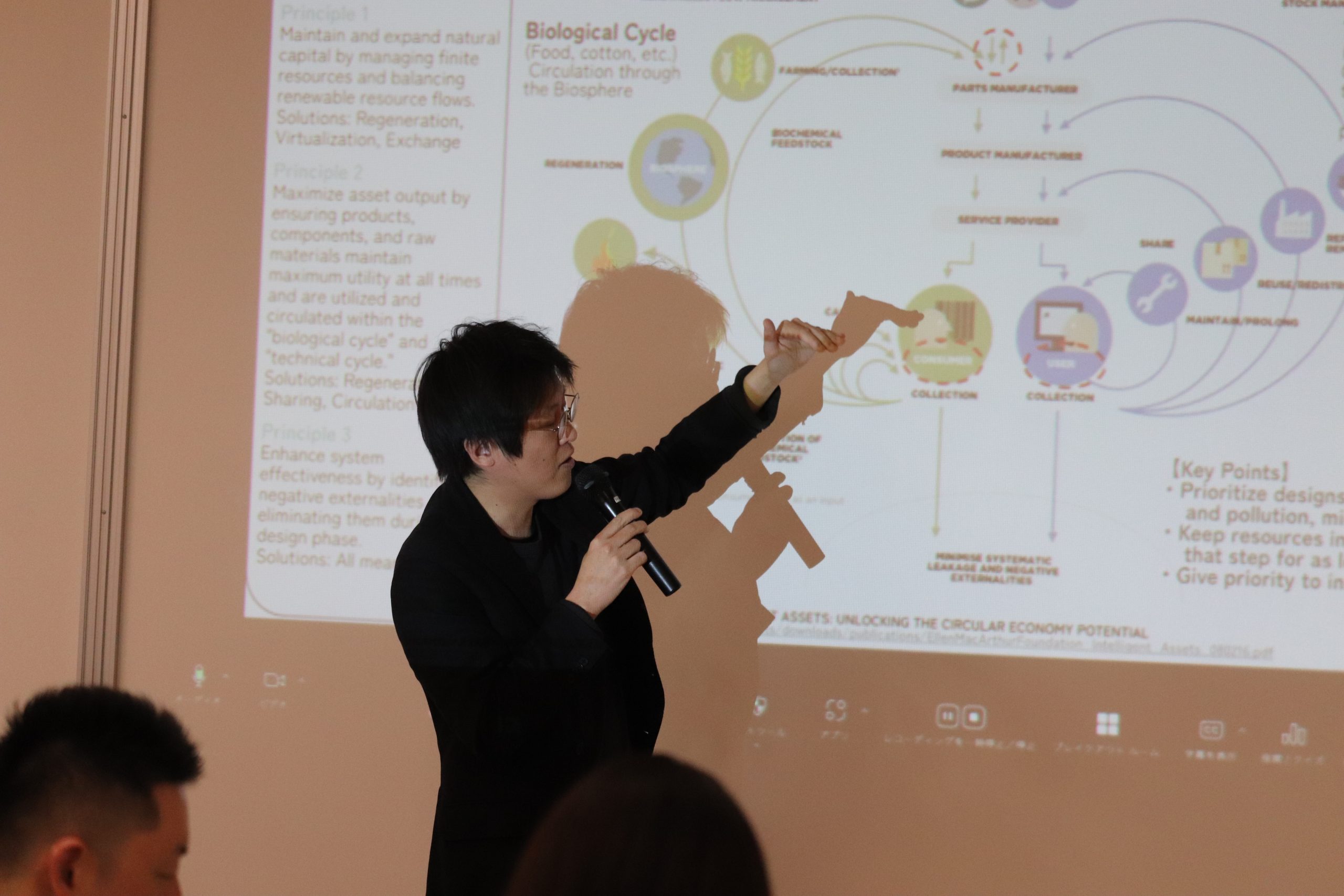
Additionally, the Center designs and provides Shizenkan’s MBA course “Circular Economy: Envisioning Future Business, Economy, and Society.” This course is offered in both Japanese and English and consists of seven sessions over two months, providing an overview from the big picture of the circular economy to business models required for realizing a circular economy, product and service design, and the utilization of finance and digital technology as enablers of transformation. While this is part of Shizenkan’s MBA program and mostly attended by program students, we also accept practitioners working on innovation toward realizing a circular future as special course students, operating it as a space that promotes learning open to society and social practice.
Shizenkan’s MBA courses are held separately in Japanese and English, but the English class for this course includes not only Shizenkan students but also students from Shizenkan’s partner schools in Asia participating online. The realization of a circular future is a common human theme, and in the English course, participants from Malaysia, Singapore, Indonesia, Hong Kong, and other locations bring challenges from their respective regions, creating a learning space while sharing cutting-edge examples.
Circular Future Forums
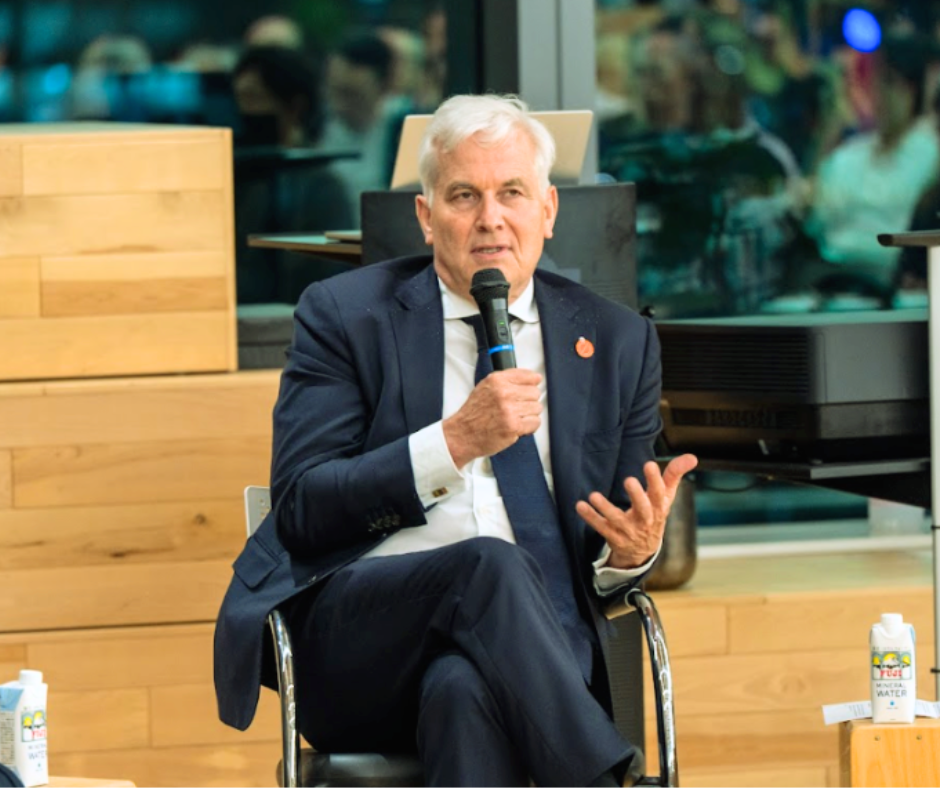
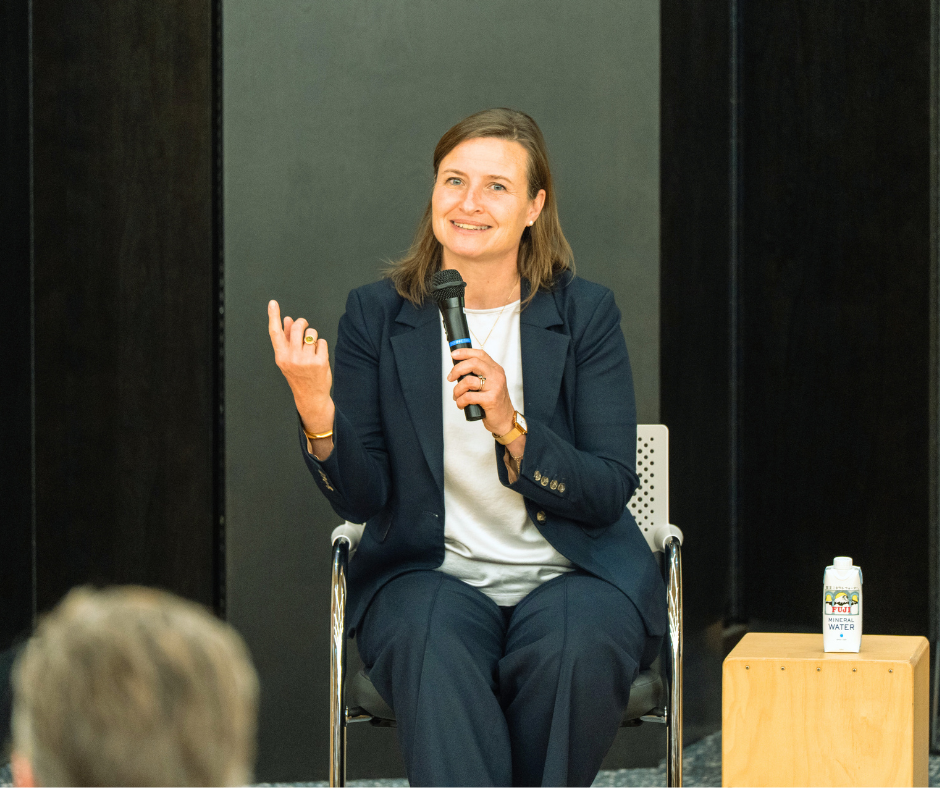
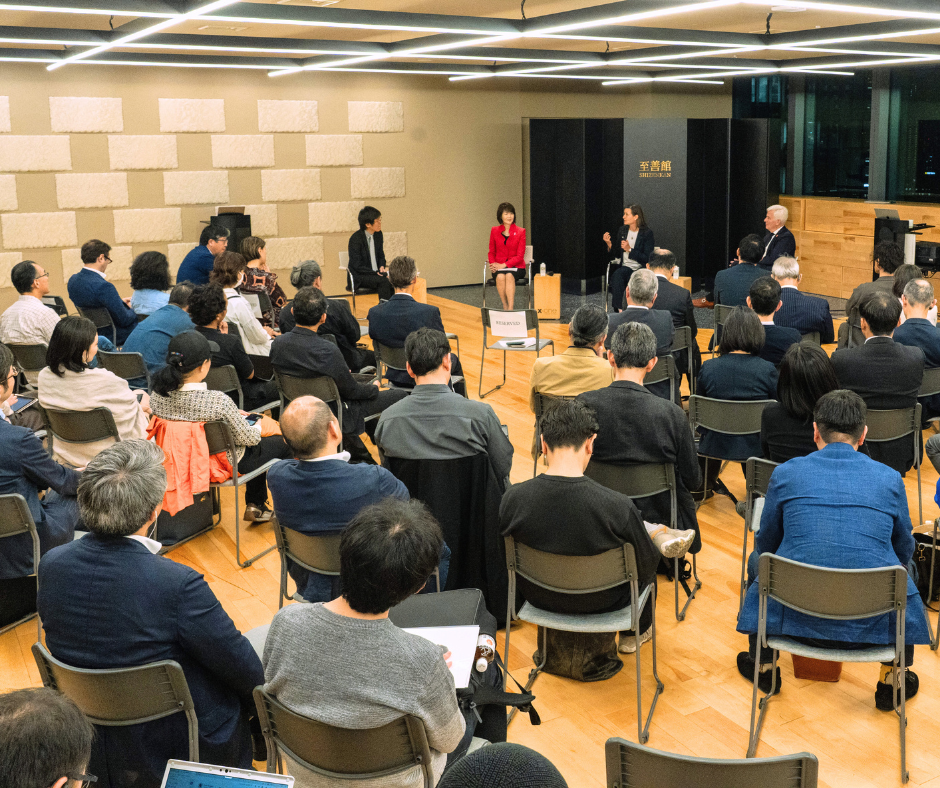
In addition to these circular leader development and support programs, the Center regularly holds Forums. Past forums have featured ongoing challenges in Europe, an advanced region in circular economy, with the cooperation of the Delegation of the European Union to Japan. Going forward, we will continue to invite experts and practitioners working at the forefront of circular models from around the world to create spaces for dialogue.