A Space for Mutual Stimulation and Learning
Shizenkan’s campus is a space of mutual learning and stimulation for those who gather here. Along with classrooms for lectures, the campus hosts meeting rooms for small-size discussions, a studio that can be used for large-scale events, and a library with more than 8,000 books and self-study tables.
The Nihombashi Takashimaya Mitsui Building, which houses the campus, is conveniently located, with direct access to the Nihombashi subway station and within walking distance of JR Tokyo Station.
→ Access to the campus
Classroom
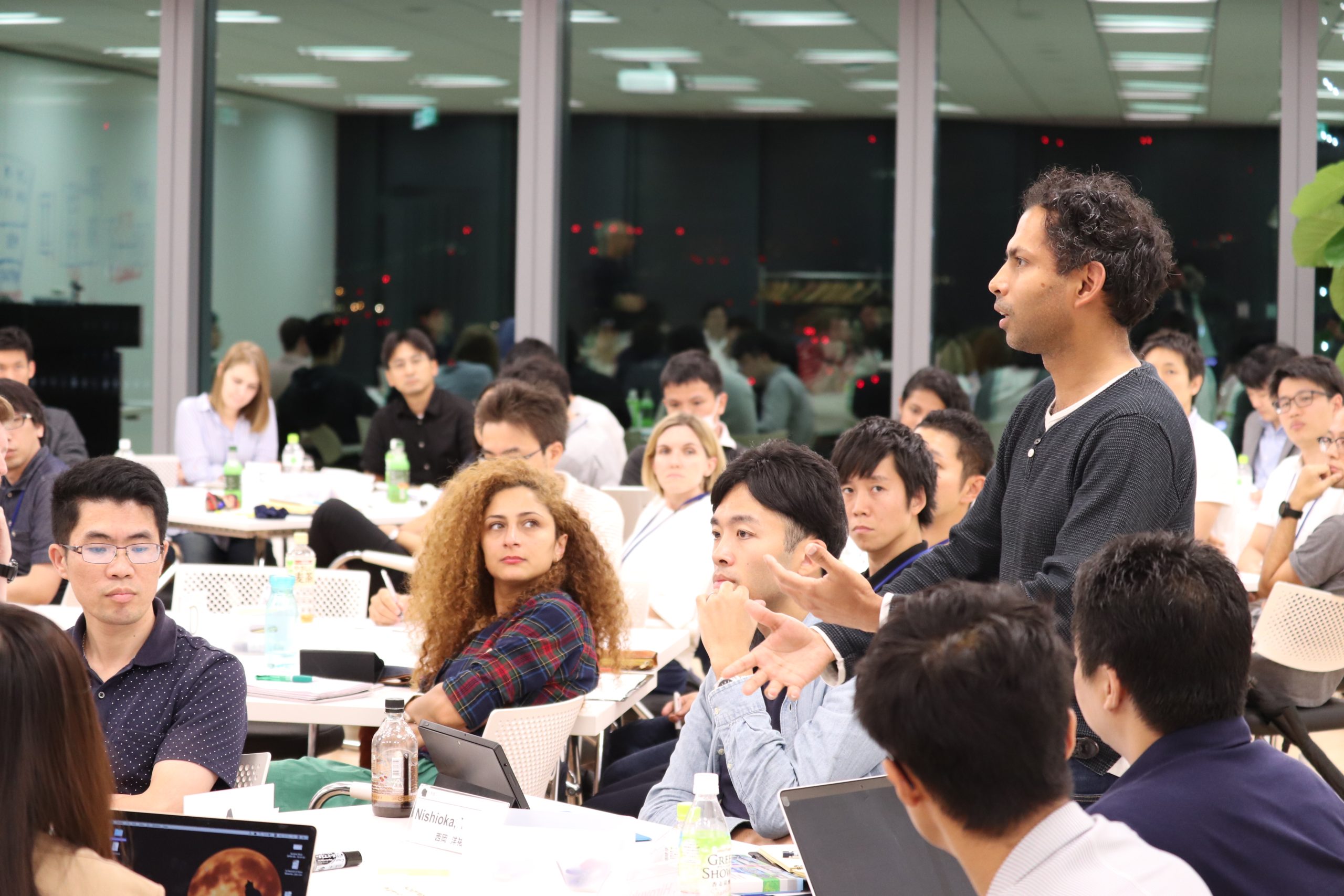
Classrooms at our campus are designed as spaces that encourage mutual stimulation through dialogue. Mutual stimulation that arises from discussions between students plays a very important role in learning at Shizenkan. Because each student works in a different field and has a different social background, dialogue has great value.
Library
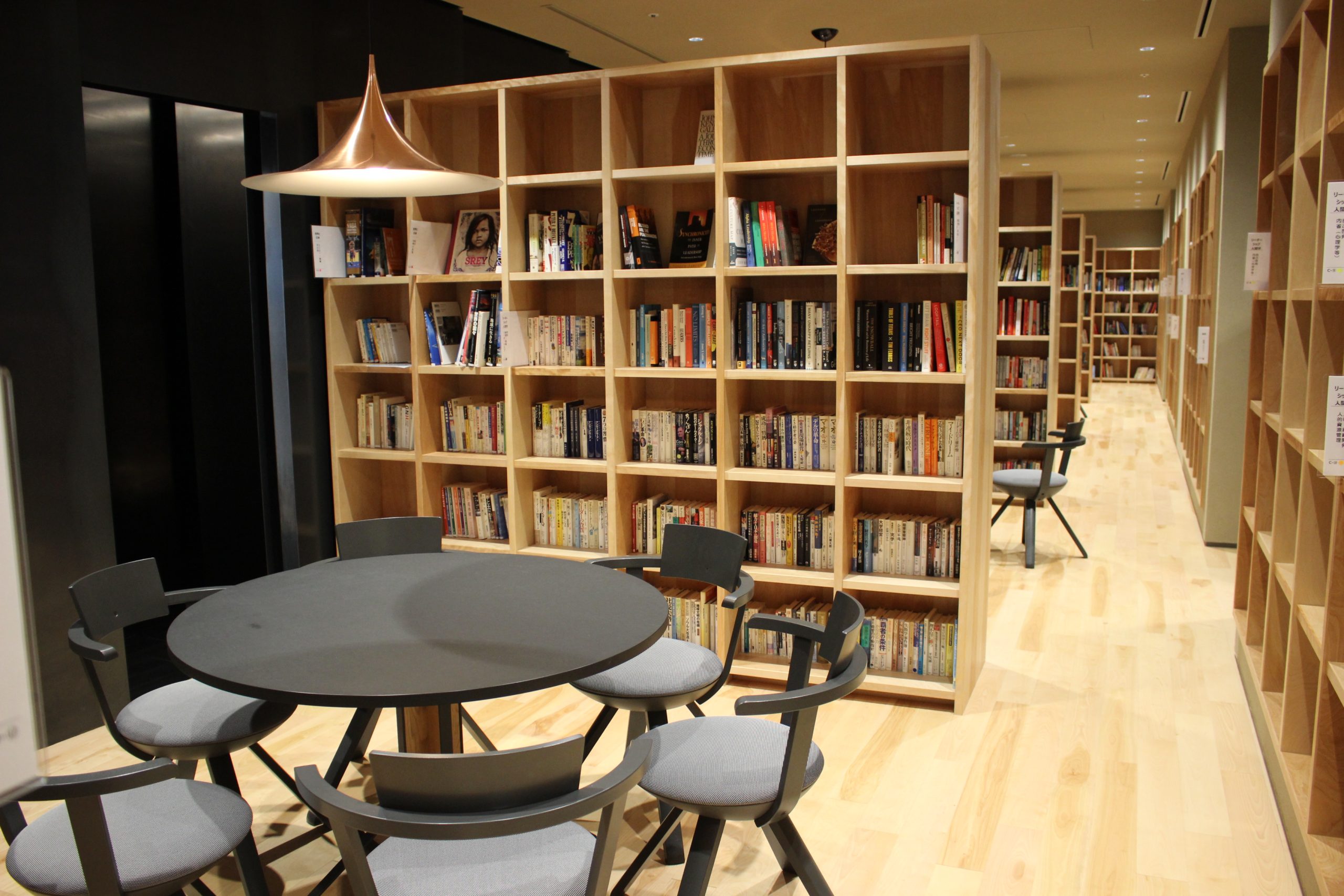
The campus has a library with over 8,000 books in Japanese and English. Reflecting the university’s unique educational philosophy, it covers a wide range of topics from business to liberal arts. The library is also a place for students to study on their own or in groups.
Studio
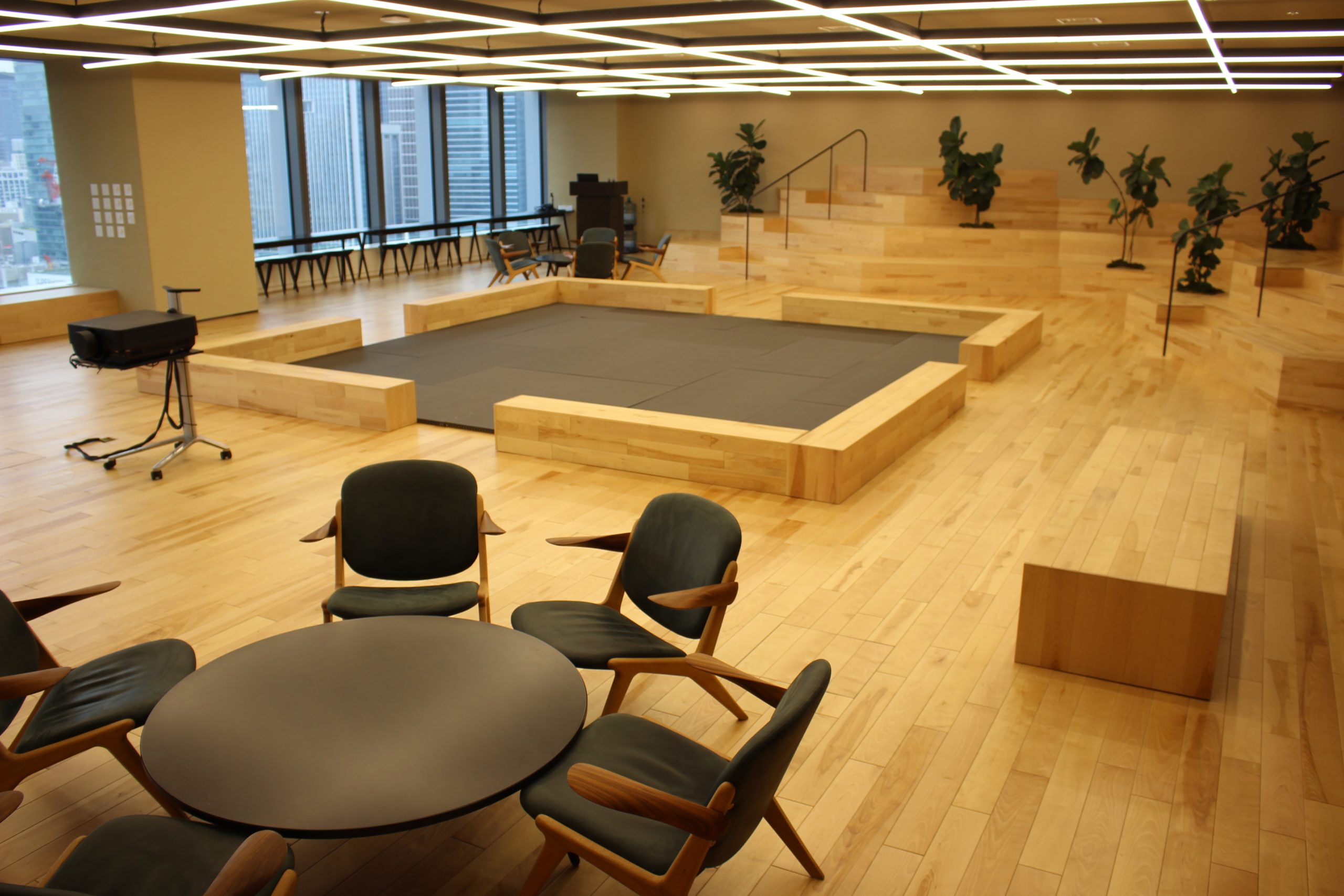
The studio on campus is a space for large events, but it is also a space where students can relax during their breaks. It is equipped with coffee machines and a water server, which students can use freely.
Nihonbashi - Key financial and commercial center of Tokyo
The area of Nihonbashi in Tokyo where Shizenkan is located is one of the centers of Japan’s long-established financial and commercial activities, and is a city with a lively community. Since the Edo period, it has served as the starting point for Japan’s major streets that connects Tokyo with other regions and as a logistics hub. It has continued to develop as a financial center, with Daiichi National Bank, Japan’s oldest bank, and many other financial institutions based there. We will conduct global education and research while also being locally rooted as a member of the historic community of Nihonbashi.
As a member of the community
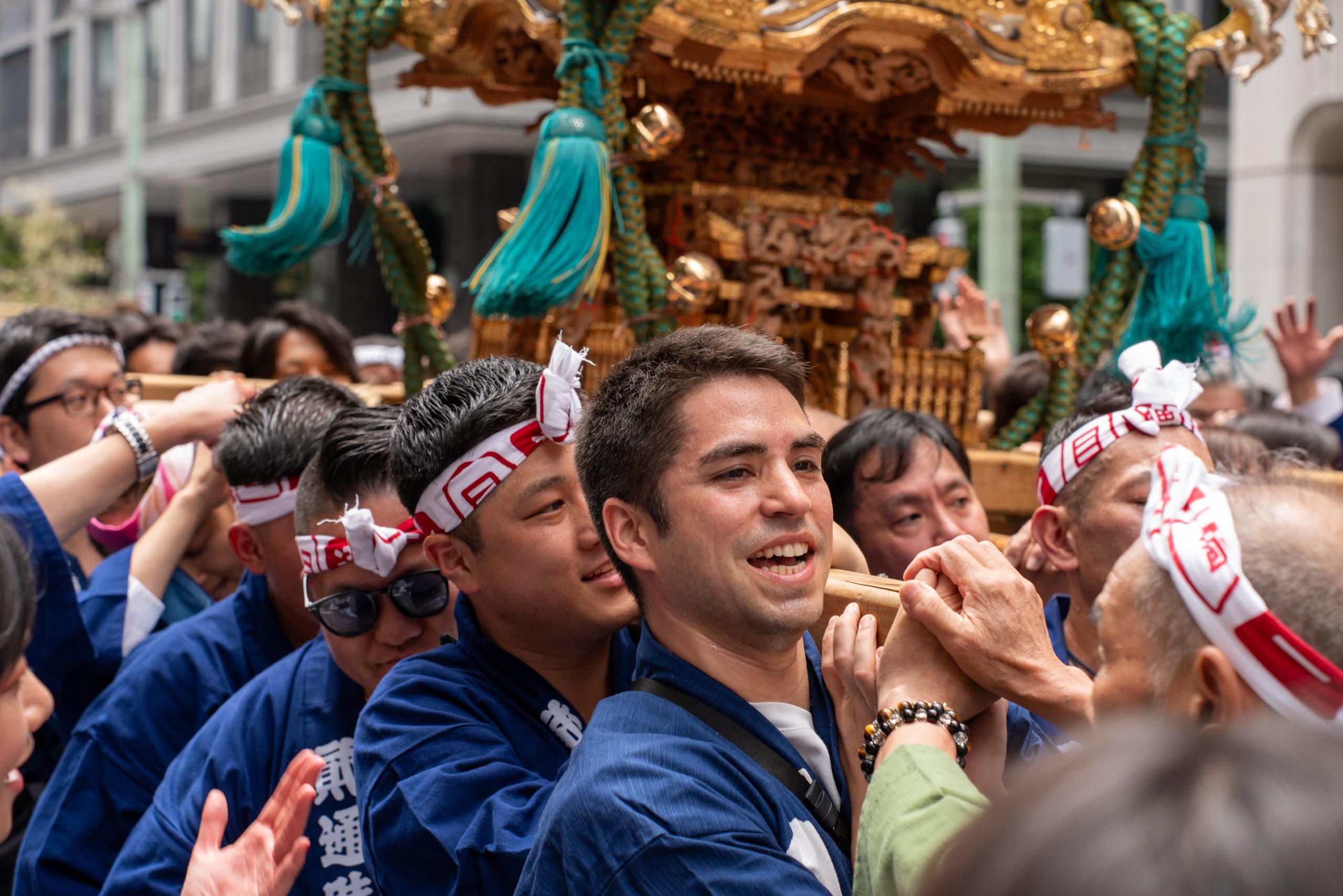
There are various events in the local community in Nihonbashi, such as the Kanda Festival, Sanno Festival, and the Hashi-Arai (bridge washing) Ceremony. Every year, students, alumni, faculty and staff members participate in these events as members of the local community. In addition, we carry out various activities rooted in the local area, such as conducting a project-Based Learning (PBL), using Nihonbashi as a field, as a part of the curriculum.